Home Inspections
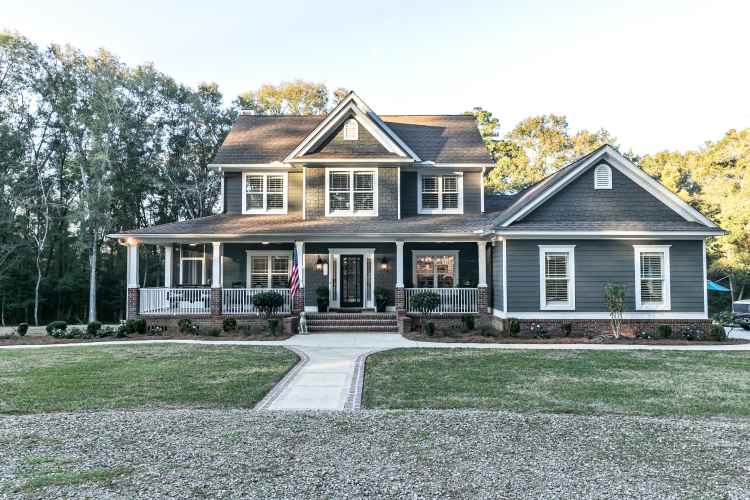
A home inspection is a professional, visual evaluation of a residential property’s condition. It focuses on identifying existing or potential problems with the home’s major components, such as:
- Pre listing
- Sale transaction
- New construction (2 phases)
- 11-month warranty inspections
- Home maintenance
- Rental inspection (check with office not all counties/cities available)
- Re-inspection
- Walk & talks
- Subject matter inspections
- Structure (foundation, walls, roof)
- Electrical systems
- Plumbing
- HVAC (heating and cooling)
- Windows, doors, insulation, and ventilation
- Safety issues (like faulty wiring or moisture damage)
- The inspector provides a written report summarizing the findings.
- Negotiate repairs or price adjustments
- Plan for future maintenance

Mold Testing
We perform Mold Air Monitor and swab testing. not inspections.
A Mold Air Monitor (often called a mold air test) is a device and testing process used to measure mold spores in the air inside and/or outside a building.
It works by:
- Collecting air samples using a small pump that pulls air through a cassette or slide
- Trapping airborne mold spores
- Sending the sample to a laboratory for analysis
- The results show:
- The types of mold spores present
- The concentration of spores in the air
- How indoor air compares to outdoor (normal) levels
- This test is commonly used to:
- Detect hidden mold problems
- Confirm poor indoor air quality
- Support mold remediation decisions
- Provide documentation during real estate transactions
Important note: a mold air monitor does not see mold on surfaces—it only measures what’s floating in the air at the time of testing.
Water Quality Testing
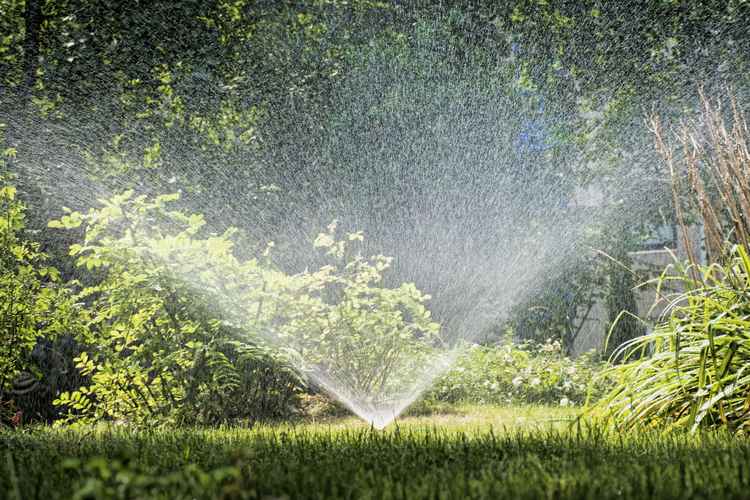
- For VA/FHA Loans, Potability, Gross Alpha, etc
- Confirm the water is safe for drinking and household use
- Identify health risks or needed treatment
- Satisfy loan, insurance, or legal requirements
- Support negotiations or repair decisions
Septic Inspections
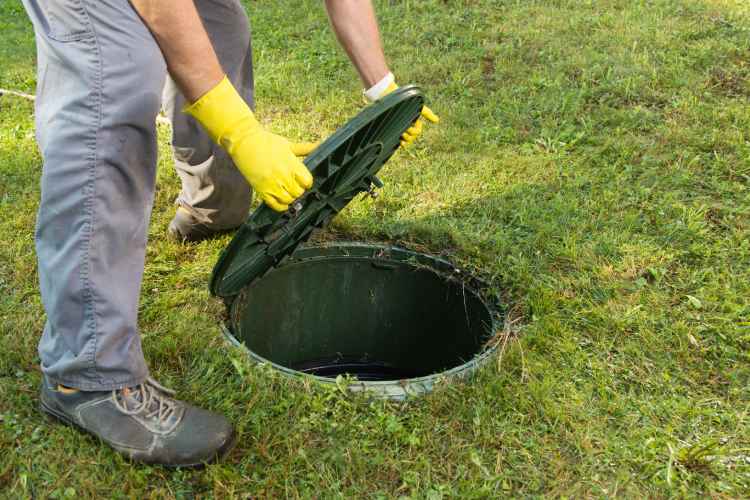
Thorough septic inspections evaluate tanks, drain fields, flow, and system components, including a hydraulic load test (HLT). The HLT assesses the drain field’s ability to handle wastewater flow under simulated normal usage conditions, helping identify defects and maintenance needs. This process helps prevent system failures, protect groundwater, and support informed, confident property transactions for buyers.
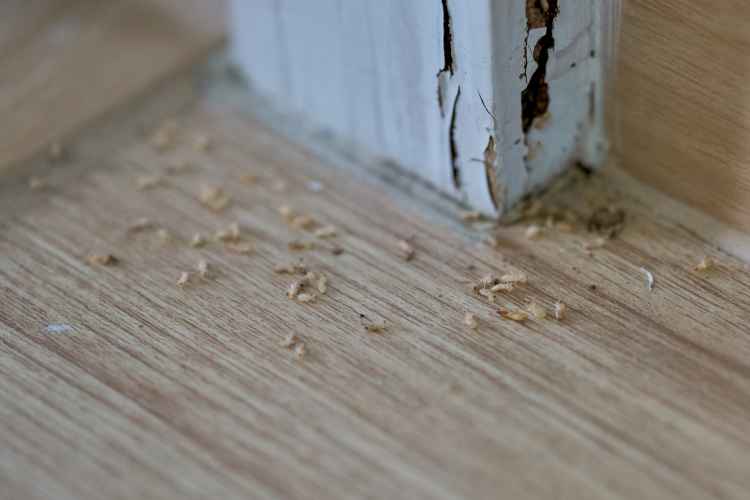
WDI Inspections
Detailed WDI inspections detect termites and wood destroying organisms, assess damage and conditions, and deliver documentation required for real estate transactions and lender compliance with timely professional reporting.
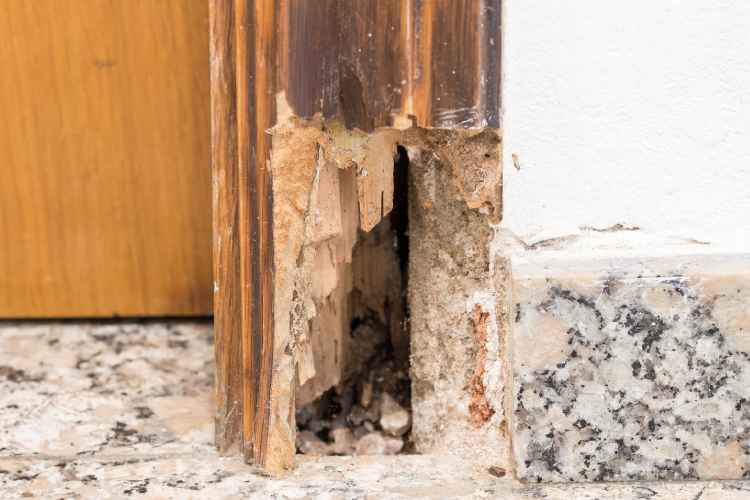
Wood Boring Insects Treatments
Protect your property from destructive wood boring insects with professional inspection and targeted treatment solutions. We identify active infestations, provide effective eradication methods, and help prevent future damage. Fast reporting, clear recommendations, and reliable service ensure your home remains structurally sound and compliant with real estate requirements.
Radon Testing
Radon testing is the process of measuring radon gas levels in a building to determine whether they exceed health-based safety limits, often during a real estate transaction.
Radon is a colorless, odorless, radioactive gas that forms naturally from the breakdown of uranium in soil and can enter homes through foundations, cracks, and crawlspaces.
Radon testing typically involves:
- Placing a short-term or continuous radon monitor in the lowest livable level of the home
- Measuring radon levels over a set period (usually 48 hours or more)
- Reporting results in picocuries per liter (pCi/L)
Why it matters:
- Long-term radon exposure is a leading cause of lung cancer (after smoking)
- The EPA recommends mitigation if levels are 4.0 pCi/L or higher
- Results are commonly used to negotiate mitigation before closing
Note: some counties in MD require testing for Radon during a real estate transaction